
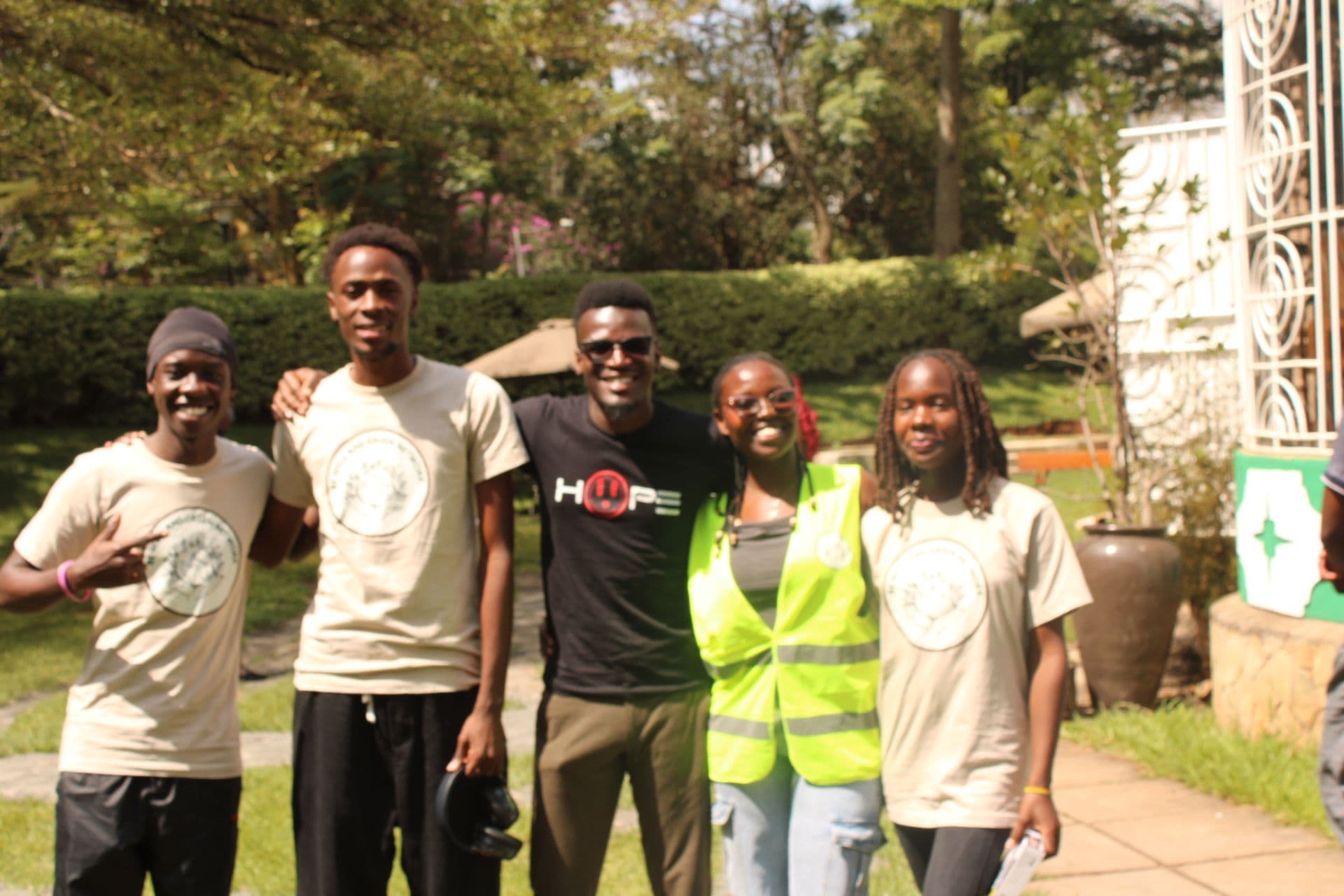
Healing Minds, Healing Earth: Where Mental Health Meets Climate Action
Healing Minds, Healing Earth explores the powerful connection between mental wellbeing and our environment, creating awareness around climate-related stress while encouraging young people and communities to find healing, connection, and hope through meaningful environmental action.
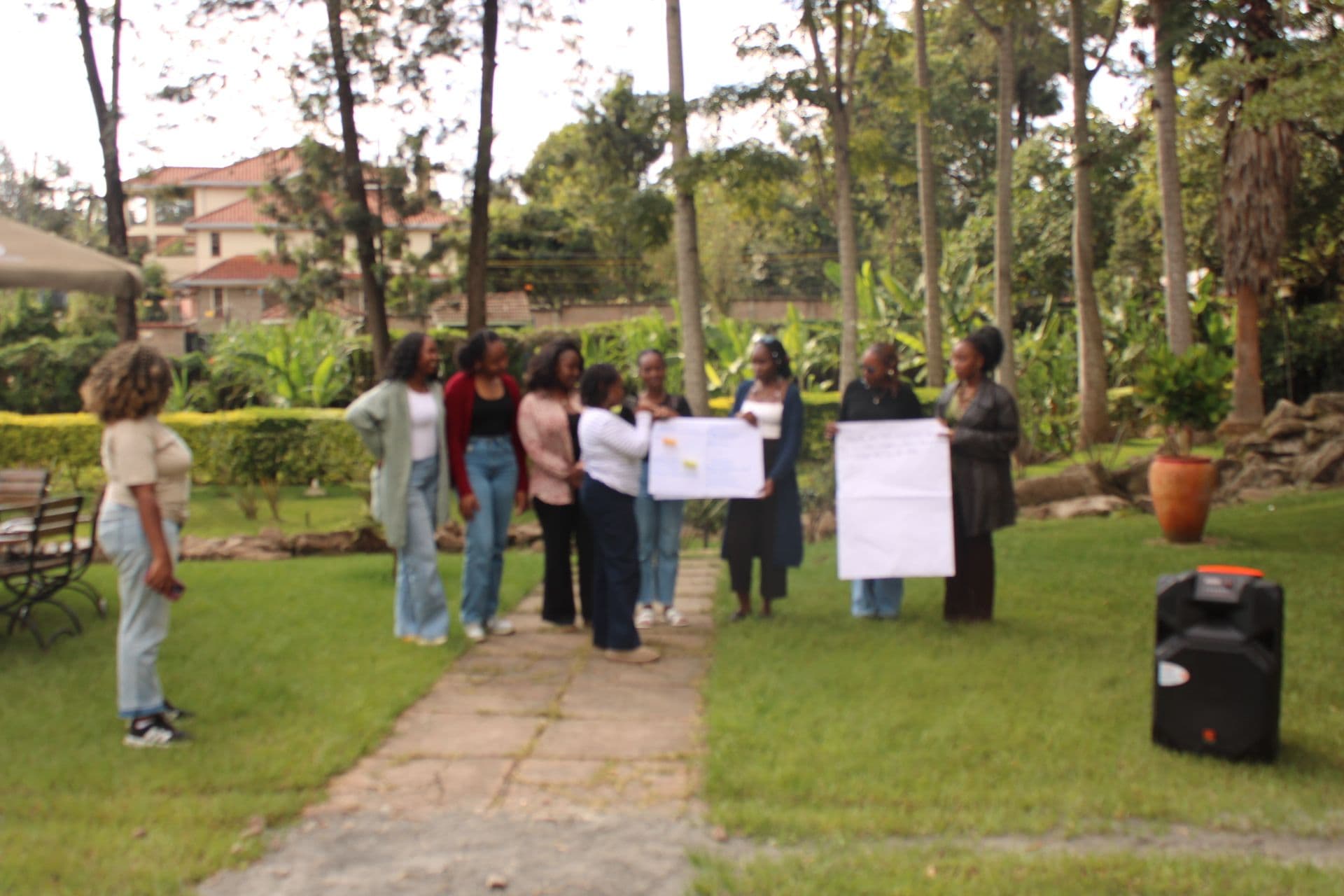
When the Climate Crisis Affects More Than the Environment
Climate change is often presented through conversations about rising temperatures, extreme weather, environmental degradation, biodiversity loss, and the future of our planet. Yet climate change is also a human experience.
As environmental challenges continue to affect communities, people may experience worry, uncertainty, frustration, grief, or concern about what the future may look like. For young people in particular, growing up in a changing climate can create difficult questions about the world they will inherit.
This is where the connection between mental health and environmental sustainability becomes important.
At Be Well and Green Network, we believe that conversations about climate change should also consider the wellbeing of the people experiencing its impacts. This understanding inspired our Healing Minds, Healing Earth Campaign.
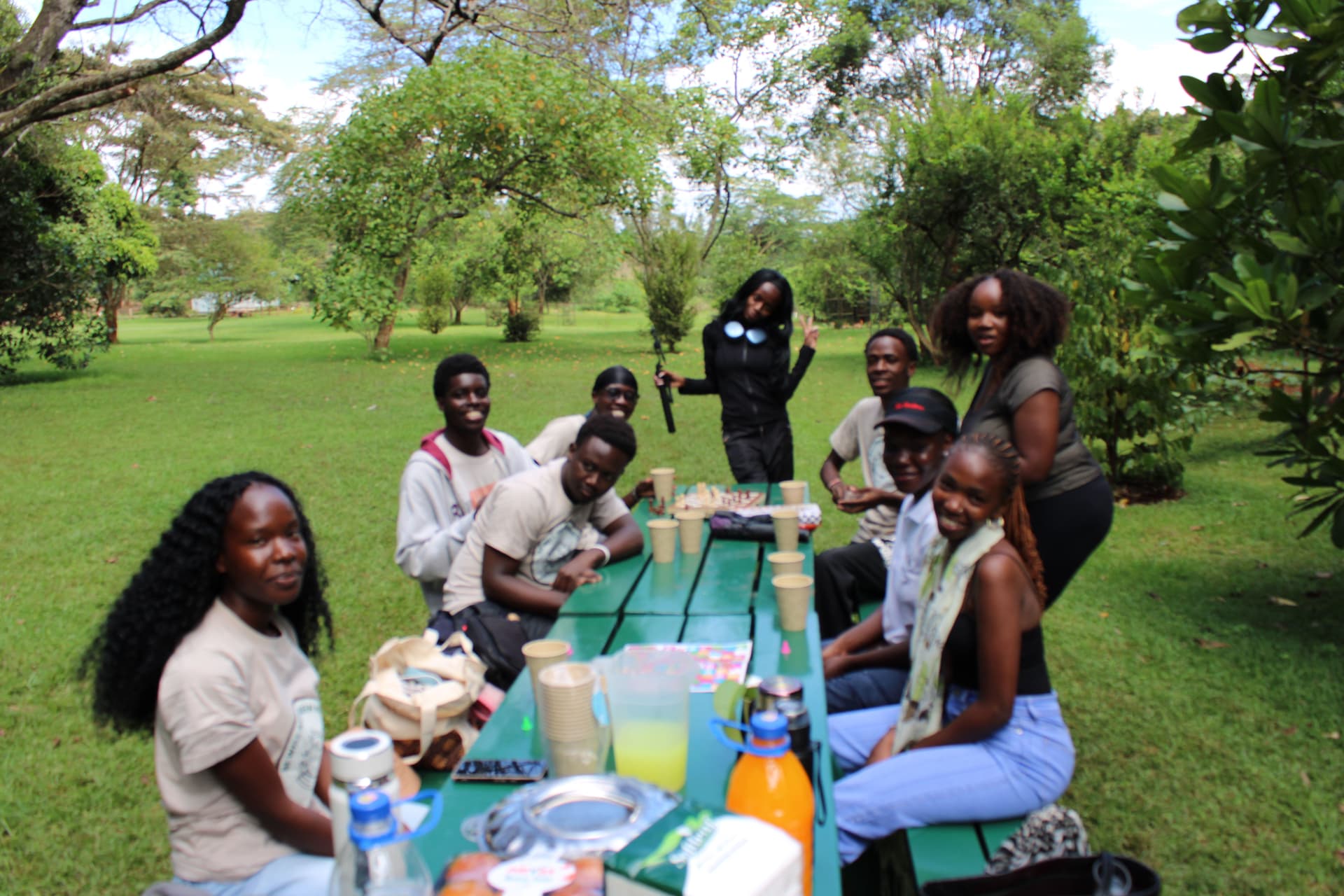
What Is Healing Minds, Healing Earth?
Healing Minds, Healing Earth is an initiative that explores the intersection between climate change and mental health.
The campaign aims to raise awareness about climate-related emotional experiences, including eco-anxiety, climate grief, environmental stress, and burnout, while also highlighting opportunities for connection, hope, and positive action.
Rather than focusing only on the challenges created by climate change, the campaign encourages communities to ask an important question:
How can we care for our minds while caring for the planet?
Through educational activities, conversations, environmental initiatives, nature-based activities, and community engagement, Healing Minds, Healing Earth creates spaces where people can learn, connect, reflect, and participate in solutions.
Understanding Eco-Anxiety
One of the conversations within the campaign is around eco-anxiety.
Eco-anxiety can describe feelings of worry, fear, distress, or uncertainty related to environmental and climate change.
These feelings should not simply be dismissed. Concern about the environment can reflect a person's awareness of what is happening around them and their desire for a healthier future.
However, when climate-related concerns become overwhelming, people can benefit from supportive conversations, reliable information, community connection, and constructive ways to participate in climate action.
Healing Minds, Healing Earth seeks to create exactly these kinds of spaces.
From Awareness to Action
Knowledge is an important starting point, but we believe that awareness can become more powerful when it leads to action.
Participants in our activities are encouraged to explore practical ways of contributing to environmental sustainability. These may include:
- Tree planting and environmental restoration
- Community clean-up activities
- Environmental education
- Waste management and reduction
- Nature-based activities
- Climate conversations and awareness
- Community-led environmental initiatives
These activities allow participants to see that climate action does not always have to begin with large-scale change. Small, consistent actions can contribute to wider community movements.
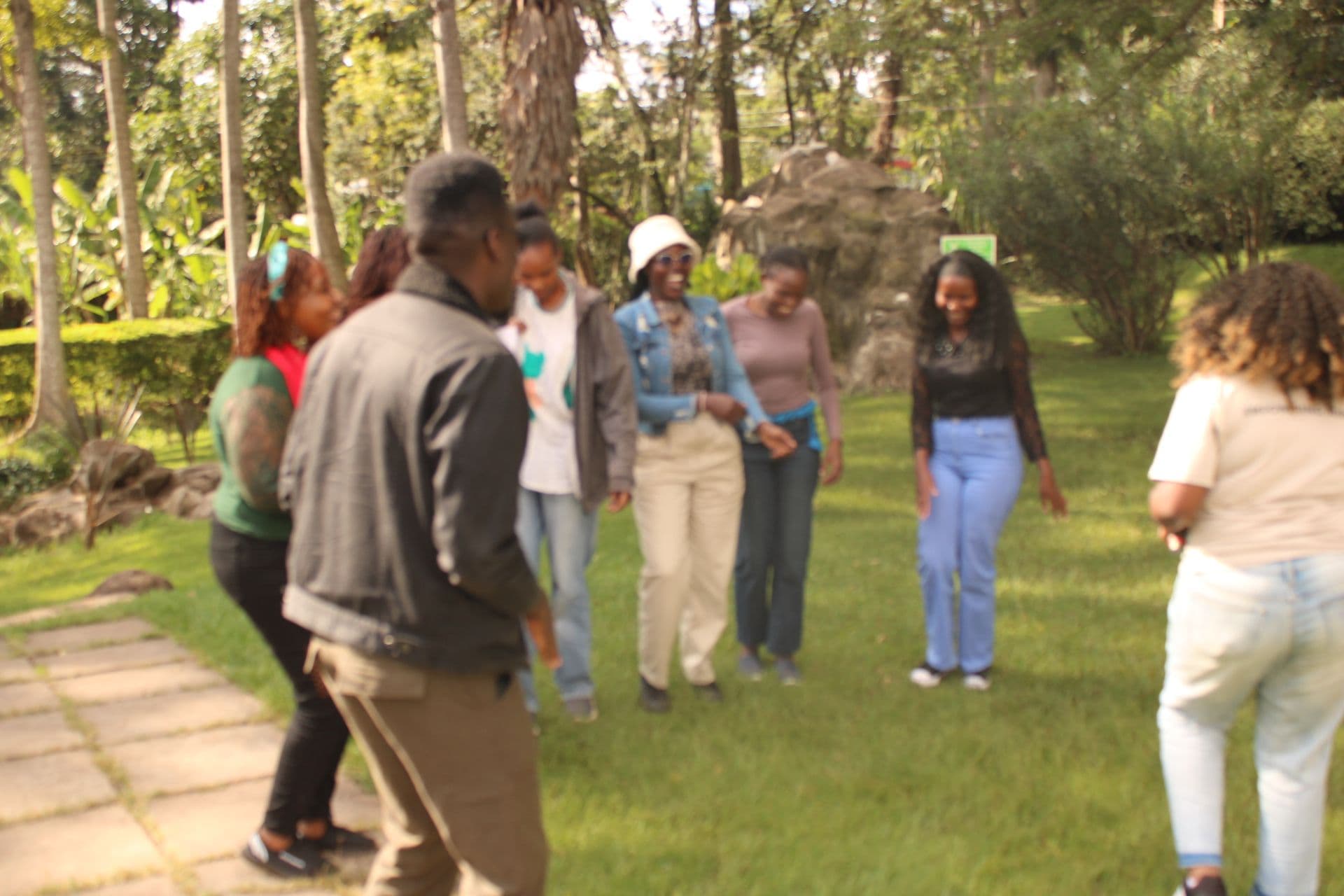
An Anonymous Participant's Story
One of the most encouraging aspects of the campaign has been seeing participants develop a stronger understanding of the relationship between their wellbeing and the environment.
For privacy, we will refer to one participant as “Amina.”
Before joining the campaign, Amina was concerned about environmental changes happening around her community. She understood that climate change was an important issue but had not previously connected environmental concerns with her own emotional wellbeing.
Through the campaign's educational sessions and conversations, she had an opportunity to explore the relationship between climate change and mental health.
The discussions helped her understand that feelings such as worry, frustration, and uncertainty about environmental challenges can be discussed openly and approached in constructive ways.
More importantly, Amina began moving from concern toward action.
She became more interested in environmental activities and learned about practical ways young people can contribute to sustainability. Activities such as caring for trees, reducing waste, sharing environmental knowledge, and encouraging others to participate became ways through which she could contribute to positive change.
The experience also helped her recognize the importance of community.
Climate change can sometimes feel like an enormous problem that one person cannot solve. Working alongside others showed her that collective action can create connection and a sense of shared responsibility.
For Amina, the campaign became more than an educational experience. It gave her a different perspective on climate action—one that included connection, participation, purpose, and hope.
The participant's name and identifying details have been withheld or changed to protect privacy.
Why This Story Matters
A campaign's success is not only measured by the number of people who attend an event.
Impact can also be seen in the conversations that continue after an activity, the knowledge participants share with others, the environmental actions they take, and the confidence they develop to become part of solutions.
For Healing Minds, Healing Earth, success means creating opportunities for people to understand climate-related concerns while also discovering that they can contribute to positive change.
The Healing Power of Nature
Nature is another important part of the campaign.
Green spaces can provide opportunities for people to slow down, reflect, connect with their surroundings, and participate in activities that promote environmental responsibility.
Tree planting, nature walks, environmental education, and community conservation activities can therefore serve two purposes: supporting environmental sustainability while creating opportunities for social connection and wellbeing.
The campaign does not suggest that nature-based activities replace professional mental health support. Instead, they are part of a broader approach to community wellbeing, connection, and environmental engagement.
Young People as Changemakers
Young people are at the heart of Healing Minds, Healing Earth.
They are not simply recipients of information. They are participants, advocates, educators, creators, and changemakers.
By giving young people opportunities to learn about climate change and mental health, we create space for them to develop their own ideas and contribute to their communities.
Their voices are essential in building a future that is both environmentally sustainable and supportive of mental wellbeing.
Building a Healthier Future
The climate crisis requires environmental solutions, but it also requires healthy, connected, and informed communities.
When people have access to knowledge, supportive spaces, and opportunities to take action, they can become active participants in creating change.
Healing Minds, Healing Earth is therefore more than a campaign about climate change or mental health. It is about recognizing that the wellbeing of people and the wellbeing of the planet are deeply connected.
We want to continue creating spaces where people can learn without fear, talk without judgment, connect with others, and discover meaningful ways to contribute.